CH-GE-02
Corsier, | Port
Description
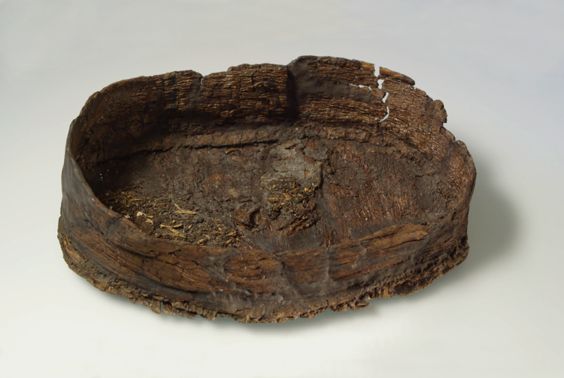
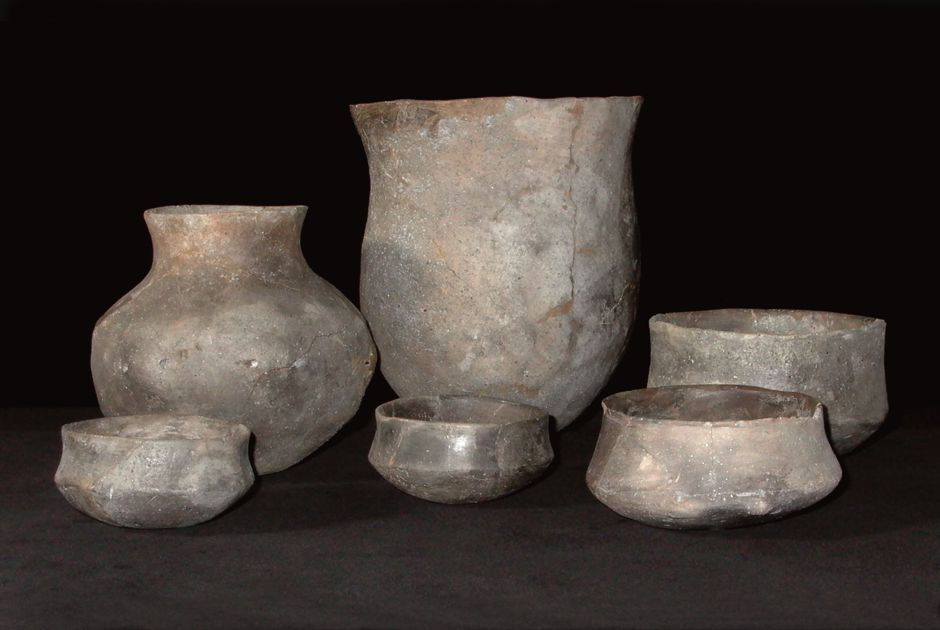
The group of pile-dwelling villages at Corsier-Port is located in a large bay on the eastern shore of the Petit-Lac. The best-preserved phase of occupation is attributed to the Middle Neolithic, the classic Cortaillod culture, with an archaeological layer rich in artefacts and organic remains. The two subsequent occupations (Late Neolithic and Early Bronze Age) are indicated only by the distribution of eroded archaeological material. The Late Bronze Age occupies the entire site, but the piles are only preserved in the upstream area, where the archaeological layer has completely disappeared.
The site of Corsier-Port, also formerly known as La Gabiule, was discovered in 1858. Recent research began in 1978, following plans to build a marina. The prospecting campaigns continued until 1981. Surface observations provided an understanding of the site's layout and helped to delineate the different areas of occupation. The site is currently protected but requires ongoing monitoring.
Please find more details in the "Dictionnaire historique de la Suisse DHS "
Special Features & Highlights
It is the only coastal station on Lake Geneva where four phases of occupation have been identified, covering all known periods of coastal settlement.
Pile Dwellings up close
Archaeological artefacts collected from sites on the Geneva shores of Lake Geneva are on display at the Geneva Museum of Art and History.
Musée d’art et d’histoire
Rue Charles-Galland 2
1206 Genève
+41 22 418 26 00
au site web

Neolithic / Bronze Age
Middle neolithic (3856 B.C.), Eneolithic, Early and Late Bronze Age (891-850 B.C.)
Lake Geneva
368-369 m.a.s.l.
Size of the site:
1,94 ha / approx. 3 football pitches
Size of the bufferzone:
8,69 ha / approx. 12 football pitches