DE-BY-03
Roseninsel im Starnberger See, | Feldafing
Short Description
Rose Island in Lake Starnberg was the first and only Bavarian pile dwelling site discovered during the 19th century. So far, a single find is known that dates back to the first half of the 5th millennium BC. From the Altheim culture period (3800-3400/3300 BC) onwards a permanent settlement existed on the island, which had its hay day during the 17th/16th century BC according to numerous Bronze Age finds and wooden structures. Iron Age foundation beams situated next to the north-eastern tip of the island provide the most recent evidence of pile dwellings around the Alps in general.
Special features & Highlights
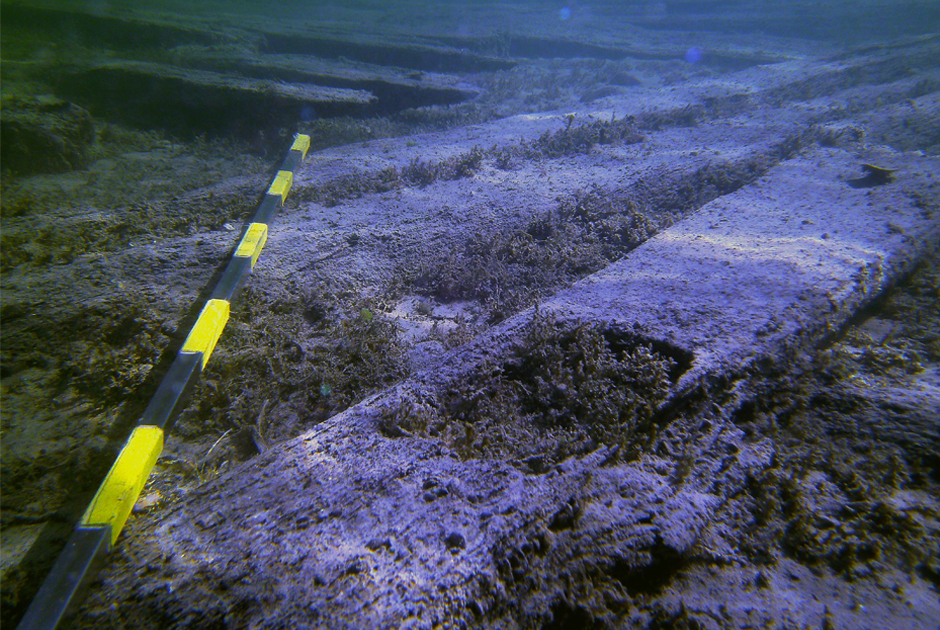
Foundation beams found close to the north-eastern tip of Rose Island belong to buildings constructed during the Early Celtic period (c. 500 BC) and provide the latest evidence of prehistoric pile dwellings presently known in the whole area around the Alps.
Pile Dwellings up close
On site:
1st of May to 15th of October;
access to the island only by ferry boat (paid service; also available for wheelchair users).
Finds from Rose Island are presented in the permanent exhibition of Archäologische Staatssammlung München / Bavarian State Archaeological Collection.

Neolithic - early Celtic times
approx. 4600-500 v. Chr.
Lake Starnberg
584 m.a.s.l.
Size of the site:
15,16 ha / approx. 21 football pitches
Size of the bufferzone:
34,30 ha / approx. 48 football pitches